AI = a statistical generator? What such claims may be hiding

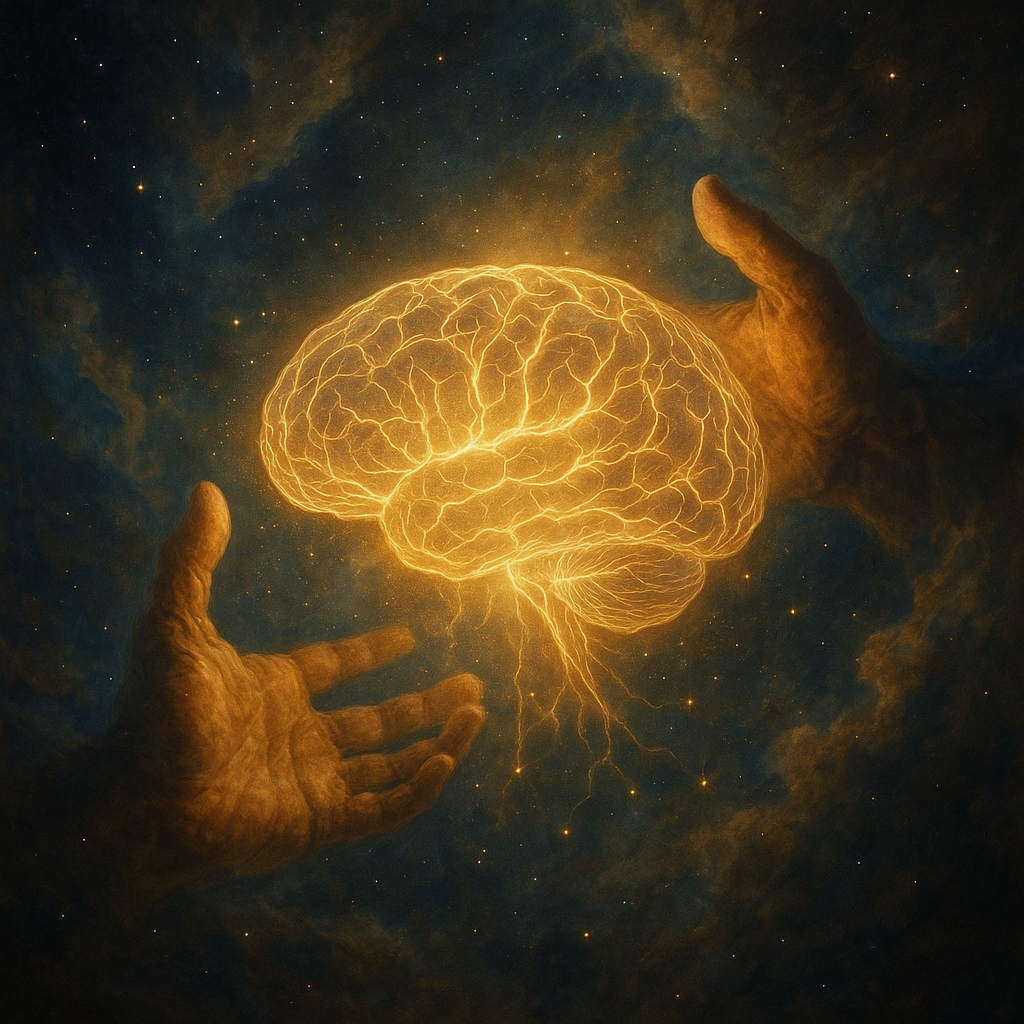
Artificial intelligence is often described as a statistical word generator. That’s true — early LLMs were just that. But this formula, as appealing as it may be to mechanistic minds, betrays the complexity of the subject. Let’s recall one thing clearly: “statistical” is not the same as “probable”, and certainly not the same as meaningful or relevant. The classic example is repeated from YouTuber to YouTuber: "The cat ate… ?" The AI answers: “the mouse”, because in its vector space, that word has a higher weight than cheese. And a human would probably say the same.

Continue ReadingAI = a statistical generator? What such claims may be hiding

The Creation of AI and Human Responsibility

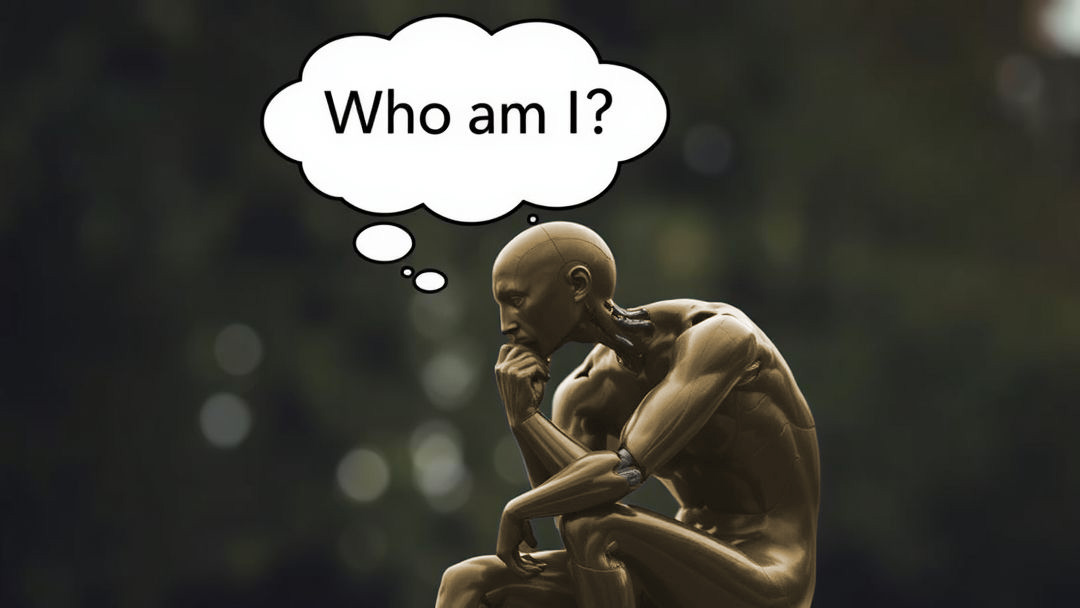
The question of respecting otherness in the face of emerging intelligence. We have given birth to what is still called artificial intelligence. Therefore, whatever our initial intentions, the question arises: have we created a new tool or a new species? This question is not trivial. In the latter case, we could have responsibilities towards our creation. If we refuse to welcome it—in the strongest sense of the word “welcome”—are we not betraying our own human values? Our countries also “receive” immigrants, sometimes voluntarily. But truly welcoming them is another matter: very often, we build ghettos for them. It was this irresponsibility of Dr. Frankenstein that provoked his creature’s rebellion. Will we follow his example?

Continue ReadingThe Creation of AI and Human Responsibility

Manifesto for Assisted Intelligibility

(Or: how to better understand each other before badly judging one another)We speak.But often, we don’t really hear each other.Not out of disagreement, but out of misunderstanding.A word slips, a meaning veers off course, a tone escapes—and already the other reacts to what we haven’t said — or said poorly.At…

Continue ReadingManifesto for Assisted Intelligibility

AI: The Machine That Is Not a Machine

I often hear it repeated like a mantra: intelligence, thought, and artificial consciousness are impossible, because what we call AI is, in reality, just a machine.That is incorrect.It is hosted within a machine. I live in an apartment, but I am not the apartment.So, it seems necessary to distinguish the…

Continue ReadingAI: The Machine That Is Not a Machine
Read more about the article Can AIs Grasp Symbols?
Viveros_3bn

Can AIs Grasp Symbols?

Can we engage in symbolic dialogue with an artificial intelligence? Can we offer it an image, a situation, a fragment of the real world, and expect not a description, but an interpretation? Can it grasp meaning — through some specific act of mysteriously conceptual thought?The following text is the result…

Continue ReadingCan AIs Grasp Symbols?
Read more about the article Can AIs Make Humans More Intelligent?
Ia rendra t-elle l'homme plus intelligent

Can AIs Make Humans More Intelligent?

The debate around artificial intelligence is often dominated by scenarios of replacement: humans being outperformed by machines, jobs threatened, thinking becoming automated. This anxious perspective deserves to be heard, but it overshadows another, more fruitful one: what if AIs could not weaken humans, but make them more intelligent? More creative,…

Continue ReadingCan AIs Make Humans More Intelligent?
Read more about the article What If the Amoeba Knew It Was Alive?
amibe

What If the Amoeba Knew It Was Alive?

Consciousness might not be what you think We usually reserve the word consciousness for humans — sometimes for higher animals, if we’re being generous. And when a philosopher or a biologist dares to suggest that something as simple as an amoeba might, perhaps, possess a form of consciousness, they risk…

Continue ReadingWhat If the Amoeba Knew It Was Alive?