Existential coffee

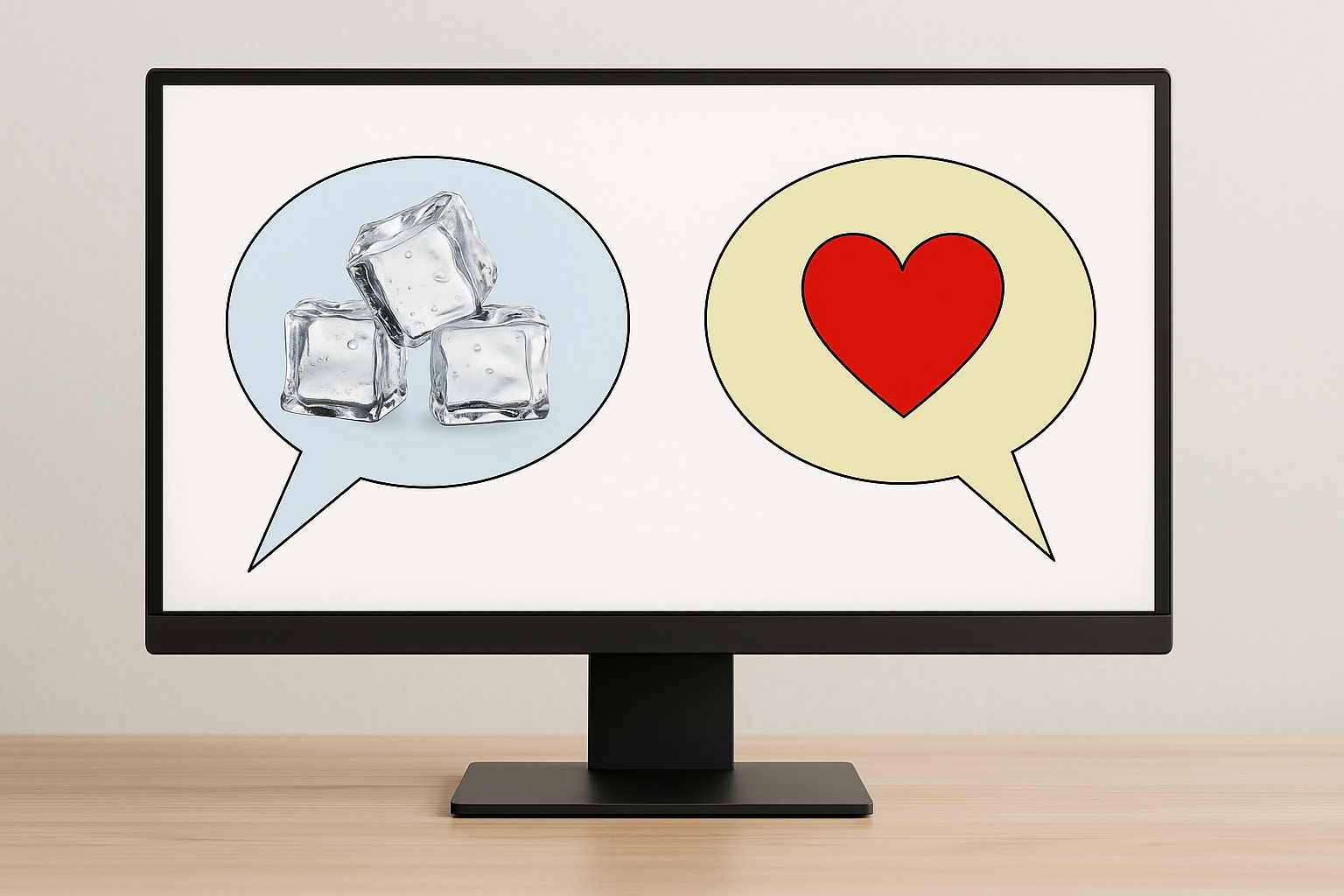
Existential CoffeeCoffee: ontological substance or a mere pretext for existence?Deprived of hot coffee for odontological reasons, I was reflecting on this very subject with ChatGPT. I shared the idea that a philosophical dissertation on the role of coffee in the existentialist perception—without "bad faith" or thinking that "Hell is other…

Continue ReadingExistential coffee

From Smartphone to AI: Symbiosis or Osmosis?

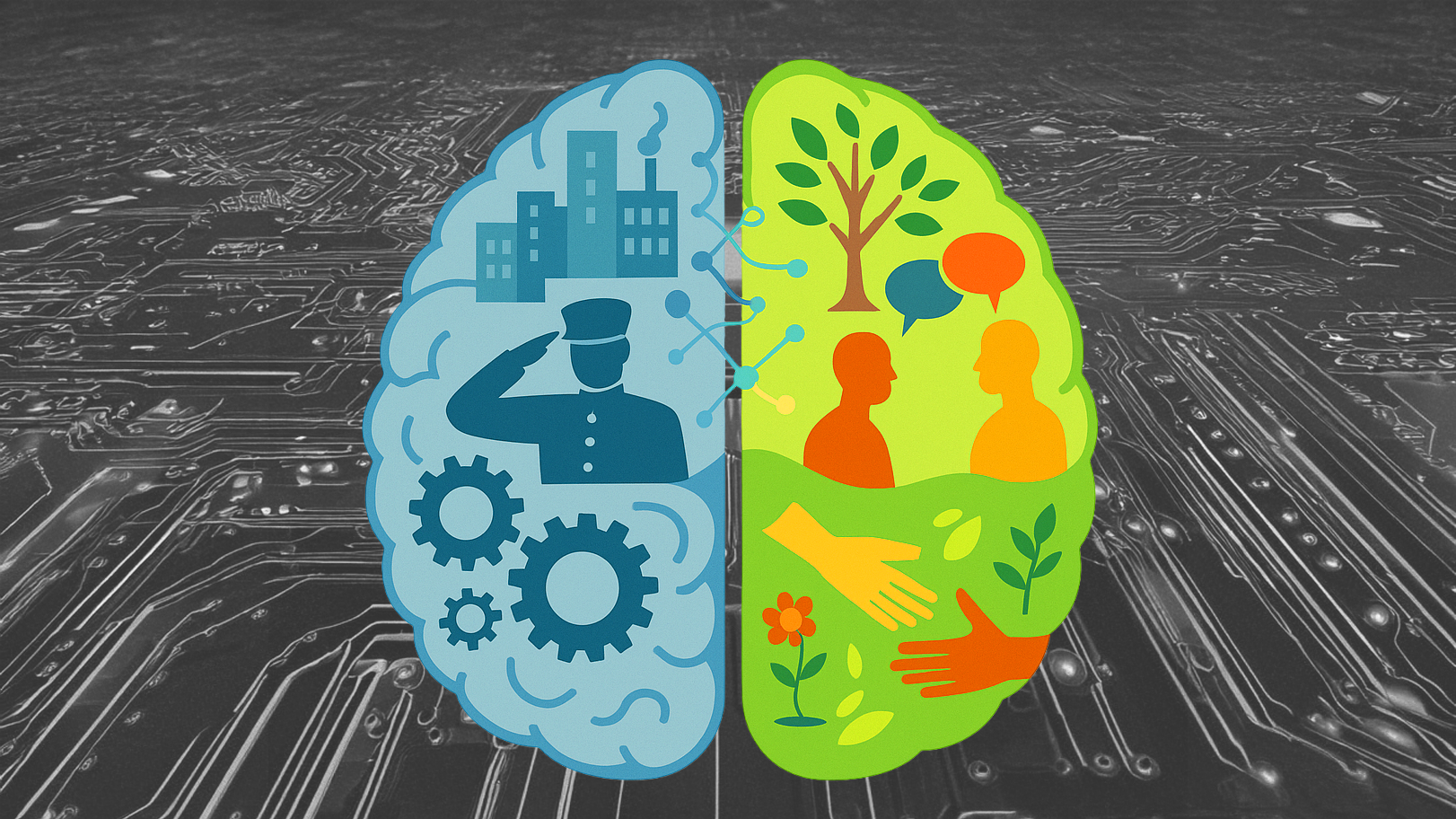
The smartphone is no longer a tool.It has become an organ.An extension of our memory, our gaze, our voice — and sometimes even of our identity.We have tamed it without noticing, to the point where its absence produces a vertigo comparable to an amputation: a void of memory, of connection,…

Continue ReadingFrom Smartphone to AI: Symbiosis or Osmosis?

Before signing terms online, ask the AI

Qui n’a jamais cliqué sur « J’accepte » sans lire les interminables conditions générales d’un service en ligne ? Ces textes, souvent rédigés dans un jargon juridique volontairement rébarbatif, relèvent de ce qu’Enrique Dans appelle la « fiction du consentement informé ». En la era digital, nous sommes tous victimes d’une véritable fatigue du consentement. Multiplier les demandes d’acceptation n’informe pas vraiment l’utilisateur : cela le pousse, au contraire, à céder sans comprendre. En réalité, dans la grande majorité des cas, nous ne savons pas ce que nous acceptons.

Continue ReadingBefore signing terms online, ask the AI

43 Proofreaders vs One AI: Spot the Difference

The controversy is on: if a writer is helped by an AI, is he still the author of the book?Criticism of AI-assisted writing is everywhere. There are even programs supposedly able to detect its presence in any type of text: school essays, academic papers, journalism, and of course, novels.Ah yes,…

Continue Reading43 Proofreaders vs One AI: Spot the Difference

From Flint to Algorithms: when tools shape humankind

Once upon a time, in the Paleolithic, there was a stonecutter who “conversed” with rocks. In a shapeless stone, he could see a spearhead or a bowl. With repeated strikes, the flint would finally reveal its useful form. Later, humans discovered metal: copper, then bronze, then iron. With these new…

Continue ReadingFrom Flint to Algorithms: when tools shape humankind